
Everything is melting
But don't worry, it's #sponsored

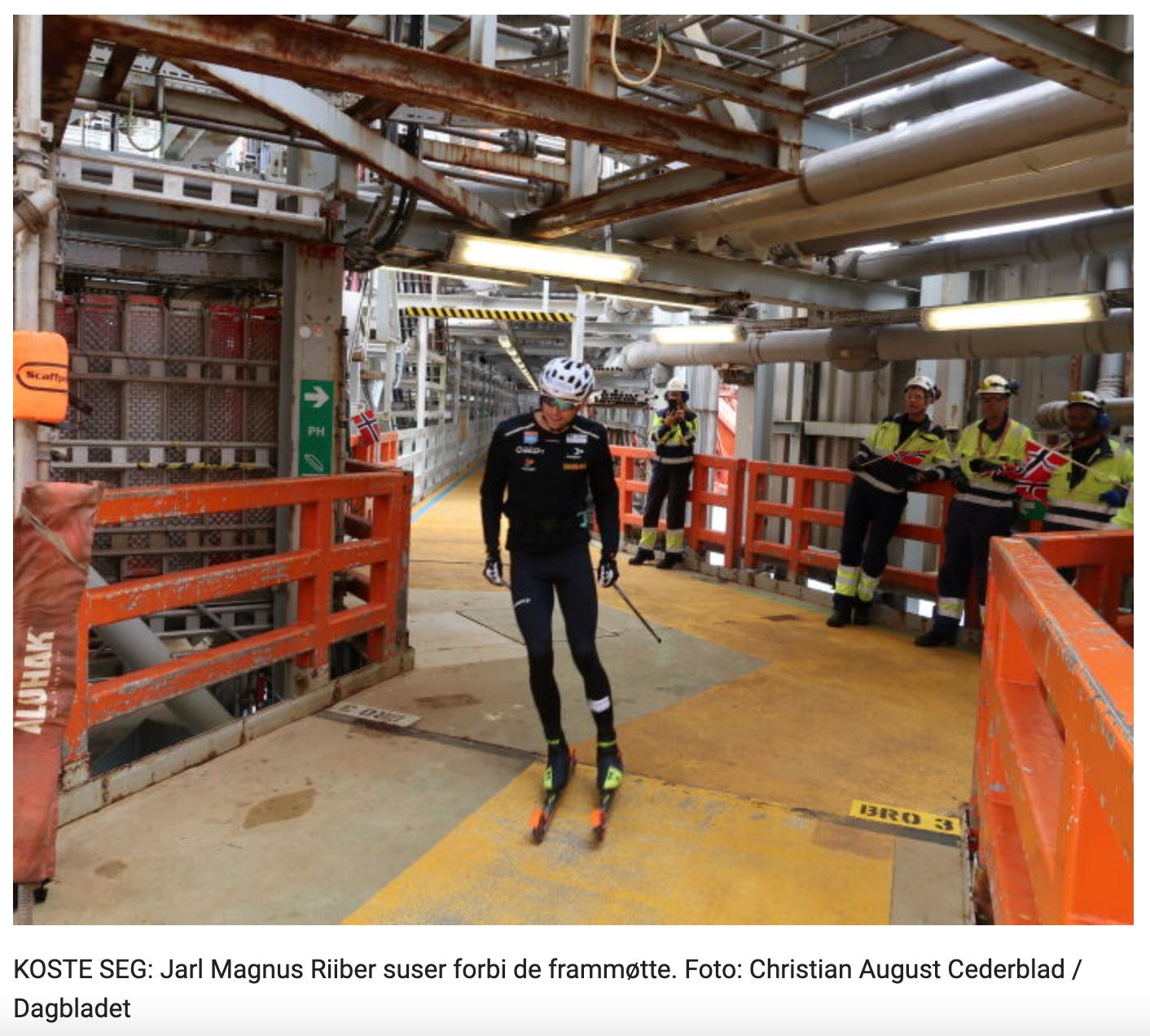
It’s giving ‘hot girl summer’, and not in a good way. July 2023 was the hottest month ever recorded – global average air and ocean surface temperatures soared, extreme heat gripped much of the northern hemisphere, Antarctic sea ice hit record lows, and in Chile, temperatures reached towards 40C, despite being in the depths of winter. Now, in August, the zero degree line is at record height above Switzerland; a key meteorological marker in mountainous environments, it’s the altitude at which temperature falls below freezing, impacting the snow-line, water cycle, and overall ecology of alpine reasons. At 5,298 metres, it’s at its highest point since records began. Mountain shelters on Mont Blanc are being closed, French authorities are urging mountaineers not to climb due to deteriorating conditions, and the Norwegian national ski team are highlighting the outdoor industry’s reluctance to face up to its fossil fuel addiction by… partnering with BP.
Occasionally, I see something so bizarre that I have to take a moment to confirm that it’s real. This is one of those things. The rising stars of Norwegian snowsports, racing around on the tarmac of an oil platform, whilst everyone else waves flags and cheers. It’s almost like the last Winter Olympics didn’t have to rely entirely on fake snow. The outdoor industry has always had a slightly symbiotic relationship with fossil fuels – without oil, “adventure” would look a little different. For a long time, the true environmental impact of outdoor recreation has been covered up by the beauty of the landscapes we spend our time in. Or maybe we’ve just willingly looked the other way. But in a world on fire, will we really continue to do so?
Fossil fuel companies are very good at burning things. The planet, for one – but also money, a lot of which is spent maintaining their image. It’s nothing new – historically, Big Oil has always had effective comms. If they didn’t, maybe the reality of a liveable future wouldn’t be hanging by a thread. Herbert Schmertz, who led ExxonMobil’s public affairs department through the 1970s oil crisis, is hailed by many as the father of modern PR – given unfavourable media coverage at the time, he had the insight of bypassing journalists entirely, and speaking directly to stakeholders. It was aggressive exploitation of “advertorials” – buying up media space to run ads that looked like editorials – and it worked. These were the early days of Big Oil’s transformation from advertiser to cultural (and political) force, a position they’ve been desperate to maintain ever since. With record profits in 2022, you could say they’ve done pretty well – albeit at the cost of, uh, the earth. But as public awareness of the climate crisis grows, fossil fuel giants have become “the bad guys”, and they’re pulling out all the stops to make us change our minds.
If it’s not authentic, we don’t want it.
Flawlessly curated content is out, and “real life” is in (even though we all know it’s not actually real). We all want to be “relatable, authentic, passionate” — at least BP does, according to leaked documents from 2020 internal creative workshop on winning back the trust of the younger generation. Gen Z and millennials demand social and environmental responsibility from the brands they choose to support, and fossil fuel corporations are feeling the pressure to change. Unfortunately, that means changing their comms strategy, not their business model.
Last month, an investigation by DeSmog revealed that since 2017, oil and gas companies have reached audiences of billions through partnering with influential figures and content creators, creating greenwashing campaigns to encourage younger generations to “forget their prejudices”. It’s not just the Norwegian ski team — on the list are outdoor travel influencers road-tripping British Columbia with their young family, and renowned polar explorer Robert Swan, on a sponsored father-son expedition to the South Pole to promote Shell’s “renewable” biofuels.
Between 2012 and 2017, the year of Swan’s expedition, the Antarctic ice sheet lost 219 billion tonnes of ice, and now in 2023, polar sea ice is at a record low. It’s indisputable that these accelerated losses are a result of climate breakdown – and Shell, whose planned emissions from 2018 to 2030 will account for 1.6% of the global carbon budget, is directly responsible. Asked about the collaboration, Swan – who received an OBE in 1995 for being the first person to walk to both poles – said he “is not a celebrity or an influencer but an explorer”. But this kind of exploration, if we can call it that, comes at a cost far beyond the value of Shell’s sponsorship. A liveable future on the only planet we call home – and is that really worth losing in exchange for just another adventure?